How Statutory Mandates Shape Incentive Structures for Card and Wheel Simulations in Regulated Digital Platforms
Written by Drew Weber · Oct 19, 2026
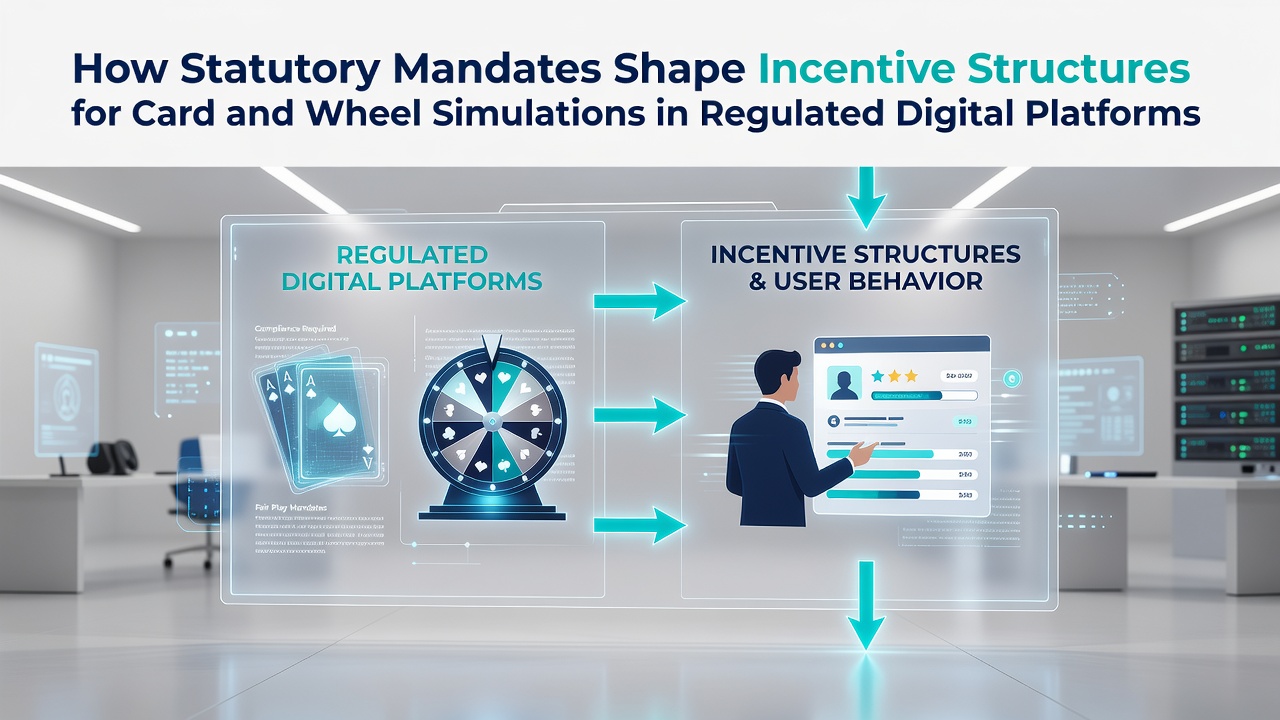
How Statutory Mandates Shape Incentive Structures for Card and Wheel Simulations in Regulated Digital Platforms
Statutory mandates establish clear parameters that operators must follow when designing incentive structures for card and wheel simulations, and these rules directly influence payout percentages, bonus eligibility, and reward mechanisms across regulated digital platforms. In many jurisdictions authorities require minimum return-to-player rates for blackjack and roulette simulations while capping maximum bet sizes during promotional periods, which forces operators to calibrate loyalty programs and deposit matches accordingly. Data from the Nevada Gaming Control Board shows that licensed platforms adjusted progressive jackpot triggers on wheel-based games in response to updated fairness audits conducted through mid-2026. Regulatory frameworks often tie licensing renewal to compliance with specific simulation standards, so operators align player retention tools with those requirements to avoid penalties. Card game simulations such as video poker face strict random number generator certification rules that limit how frequently bonus rounds can trigger, which in turn shapes the frequency and size of cashback offers tied to those titles. Wheel simulations encounter additional constraints on variance reporting, leading platforms to structure reload bonuses around verified spin histories rather than arbitrary multipliers.Regional Licensing Variations and Their Effects
Different regions apply distinct statutory approaches that produce varied incentive models. Australian platforms operating under state-level oversight must publish detailed game rules that include simulation algorithms, which restricts the use of hidden weighting in roulette wheels and encourages operators to tie welcome bonuses to transparent hit-rate disclosures. In contrast several U.S. state regulators emphasize player fund segregation rules that affect how daily free spin awards for card simulations are funded and distributed. Those who've examined compliance filings note that platforms in October 2026 began incorporating new audit trails for wheel simulations after certain jurisdictions expanded testing intervals for electronic randomizers. This adjustment altered the timing of seasonal promotions because operators needed to demonstrate sustained compliance before launching tiered reward ladders. One study released by the Australian Gambling Research Centre documented how mandated disclosure of simulation probabilities correlated with a measurable shift toward smaller but more frequent loyalty credits on blackjack titles.Technical Requirements Driving Structural Changes
Statutory language frequently specifies technical thresholds that reshape how incentives function. Operators must embed certified simulation engines that record every card draw and wheel outcome, which creates data sets used to validate bonus qualification criteria. Platforms respond by designing cashback programs that reference these immutable logs rather than aggregated play metrics, reducing disputes and ensuring alignment with audit expectations.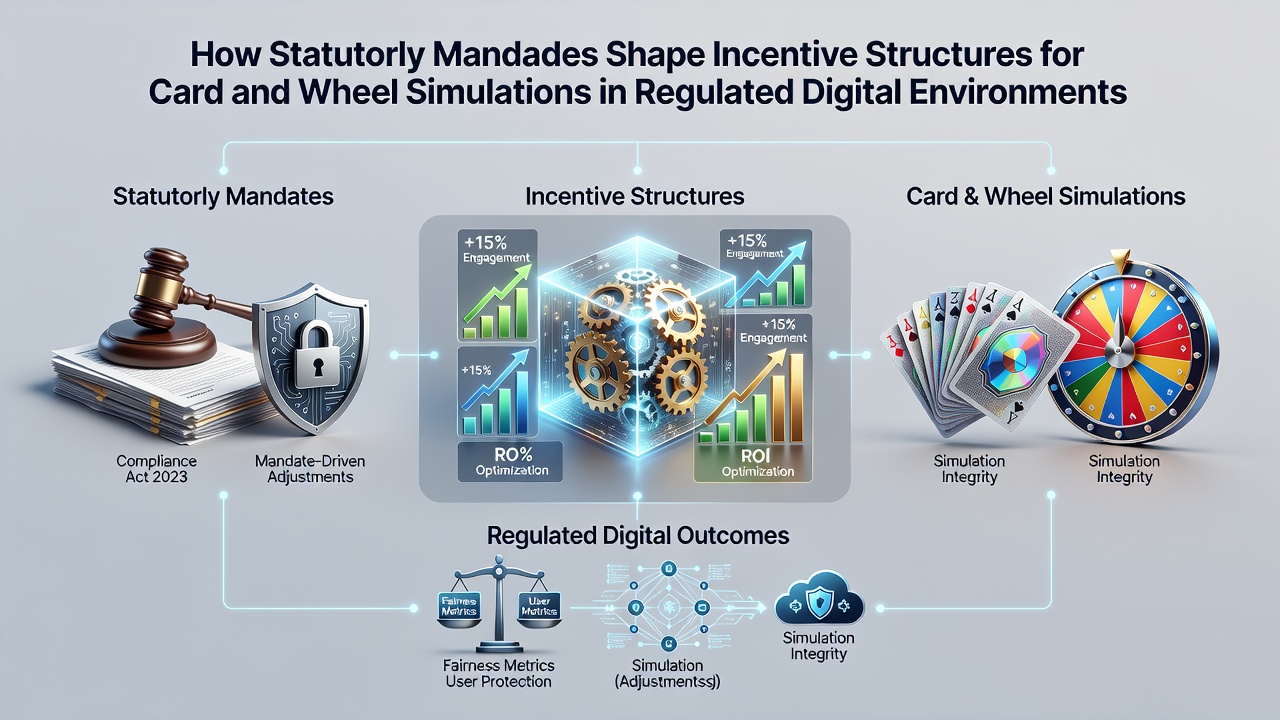 Multi-jurisdictional operators face the added task of maintaining separate incentive ledgers when simulations cross regulatory borders, and this complexity has prompted investment in unified reporting interfaces. Research indicates that platforms adopting such systems experienced fewer delays when rolling out new progressive features on wheel games because the underlying data already satisfied multiple statutory checklists simultaneously.